 Als Paizo seinerzeits die Pathfinder Society einführte, wurden mit einem Schlag fünf Nationen interessant, um die man sich bis dahin nicht sonderlich gekümmert hatte. Andoran, Cheliax, Taldor, Qadira und Osirion stellten die fünf Fraktionen, die innerhalb der Society um die Macht konkurrierten und den Großteil der Agenten der Society stellten. Zeit also, die Spieler mit dem notwendigen Hintergrund zu versorgen, der es ihnen ermöglichen würde, Charaktere aus der jeweiligen Region zu erstellen. Ulisses hat jetzt gerade mit dem Handbuch: Taldor – Nachhall des Ruhms den vierten Band aus dieser Reihe veröffentlicht, und da ich ja eh das alte Format mit dem neuen vergleichen wollte, war das für mich Grund genug, nochmal in das Buch reinzulesen, dass im Orignal eines der letzten noch für D&D 3.5 veröffentlichten Pathfinder-Bücher war.
Ralph Hoarsleys Titelbild fängt sehr gut einen definierenden Aspekt der taldorianischen Kultur ein. Zwei Kämpfer, beide tragen das Wappen Taldors auf ihrer Uniform, sind in einem tödlichen Kampf miteinander verstrickt, um sie herum ein leichenübersähtes Schlachtfeld. Schon hier wird also deutlich, dass die Taldorianer mehr damit beschäftigt sind, sich gegenseitig die Köpfe einzuschlagen, als sich um ihre gemeinsamen Feinde zu kümmern. Auf der Innenseite des Rückeinbandes kann man die Illustration in voller Pracht, also ohne die Querbalken des Titelbildes bewundern, wodurch sie nochmals an Dynamik gewinnt. Störend eigentlich nur, dass Hoarsley sich keine Mühe mit den Gesichtern gegeben hat.
Der Inneneinband ist mit einer wunderschönen Karte Taldors geschmückt, für die Rob Lazzaretti verantwortlich zeichnet. Da werd ich immer ein wenig neidisch, solche Karten würd ich auch gerne können.
Die folgenden 13 Seiten widmen sich der Nation Taldor direkt. Die Geschichte Taldors wird kurz angerissen, wobei der Fokus vor allem auf dem Konflikt mit Qadira und dem dadurch verursachten Niedergang des Reiches liegt. Danach widmet sich der Autor Joshua Frost der Geographie Taldors, wobei sowohl die wichtigsten Städte als auch die größeren geographischen Regionen jeweils kurz beschrieben werden. Nach einer kurzen Beschreibung der Ressourcen wie auch der Gefahren Taldors widmet sich Frost dann den internationalen Beziehungen, die natürlich vor allem von der ehemaligen Weltmachtstellung der Nation geprägt sind. Den Abschluss bildet ein kurzer Abriss der politischen und gesellschaftlichen Struktur Taldors sowie eine Beschreibung des taldorianischen Militärs, das nach wie vor große Summen aus der Staatskasse verschlingt.
Bis dahin war alles reiner Fluff. Die folgenden zwei Seiten voler Charaktermerkmale übersetzen diesen Fluff nun in Regeloptionen für Spieler taldorianischer Charaktere.
Das zweite große Thema des Handbuchs ist Oppara, die Hauptstadt Taldors. Wieder steuert Lazzaretti eine schöne Karte der Stadt bei, die auf den folgenden Seiten etwas ausführlicher beschrieben wird. Die einzelnen Stadtbezirke werden dabei ebenso kurz beschrieben wie die wichtigsten Bauwerke und Bewohner der Stadt.
Trotz der Einordnung in die Kategorie Kampf dürfte die Löwenklinge für kampfbasierte Charaktere weniger interessant sein. Bedient werden eher Barden und Schurken, die sich über diese Prestigeklasse als Spione und Assassinen in den Dienst der taldorianischen Krone (aber auch von taldorianischen Nicht-Regierungs-Organisationen stellen möchten. Löwenklingen sind Meister der Tarnung und schaffen es selbst in großen Menschenmengen, sich schnell und unauffällig fortzubewegen. Damit können sie sich ihrem Ziel ungesehen nähern, um dieses mit ihrem hinterhältigen Angriff zu eliminieren.
Die Anhänger Sarenraes haben es in Taldor besonders schwer, da sie mit dem verhassten Feind Qadira in Zusammenhang gebracht werden und ihr Glaube in Taldor daher illegal ist. Kein Wunder, dass sie einige Zauber und Gebete entwickelt haben, die es ihnen ermöglichen, sich gegenseitig zu erkennen und sich vor ihren Feinden zu schützen, ohne dabei gleich tödliche Gewalt anzuwenden.
Als Bild für die Dekadenz der taldorianischen Oberschicht hingegen bilden die magischen Gegenstände, die in der Kategorie Magie veröffentlicht werden. Von Kleiderschränken, die auf Wunsch das passende Outfit herbeizaubern, über laufende Diwans bis hin zu Operngläsern, mit denen man heimlich den Unterhaltungen anderer lauschen kann, reicht die Palette, und manches davon könnte sogar für den geneigten Abenteurer recht nützlich sein.
Die Unterschicht Taldors bilden die sogenannten Bartlosen, die im Prinzip in Taldor keinerlei Rechte besitzen und deren einzige Hoffnung auf Verbesserung ihres Standes der Eintritt ins Militär ist, der mit gewissen Aufstiegschancen verbunden ist. Gewitzt haben sie allerdings einige Fähigkeiten entwickelt, mit denen sie etwas leichter durchs Leben kommen. Entsprechend enthält die Kategorie Gesellschaft einige Talente, die diese Fähigkeiten abbilden und das Wissen darstellen, dass ein Bartloser als Vagabund, Galeerensklave oder auch als Soldat erworben hat.
Und last but not least wird mit Hafenmeister Hallador eine sehr illustre Persönlichkeit vorgestellt, die die ganze Widersprüchlichkeit der taldorianischen Gesellschaft in einer Person vereint. Ein Bartloser und ehemaliger Krimineller und Galeerensklave, der allen Grund hätte, Taldor zu hassen, statt dessen aber eine tiefe Loyalität zu seinem Land verspürt. Was ihn aber nicht daran hindert, Geschäfte mit dem qadiranischen Erzfeind zu ermöglichen, was von vielen seiner Landsleute als Hochverrat eingestuft werden würde, sollte es öffentlich bekannt werden.
Fazit: PFS hin oder her, für jeden Spielleiter, der in Taldor spielen möchte, aber auch für jeden Spieler, der einen taldorianischen Charakter erstellen möchte, ist dieses Handbuch eine äußerst wertvolle Spielhilfe, die voller Ideen steckt und einen guten Eindruck der Nation und ihrer Gesellschaft verschafft. Man mag bemängeln, dass Teile des Buchs auch oder sogar eher an Spielleiter gerichtet seien, was für ein an Spieler gerichtetes Werk eher ungewöhnlich erscheint. Regelfreunde würden sich vielleicht die ein oder andere Regeloption mehr wünschen, aber ansonsten gibt es eigentlich nichts zu meckern, sondern viel, um sich daran zu ergötzen.
Meine Bewertung daher: 4,2/5 Punkten (bzw. 84%).
Achja, und zum Vergleich mit dem neuen Format: Den 14 Rollen, 2 Archetypen, 2 Talenten und 33 Charaktermerkmalen des Varisia-Handbuchs stehen im Taldor-Handbuch 21 Merkmale, 1 Prestigeklasse, 8 Zauber, 10 magische Gegenstände, 8 Talente und 1 NSC gegenüber. Damit schlägt sich das Taldor-Buch also mehr als wacker und dennoch hat man den Eindruck, dass es zusätzlich viel mehr Text, viel mehr Hintergrundinformation enthält. So gesehen scheint die Frage durchaus berechtigt, welchen Mehrnutzen das neue Format der Handbücher überhaupt hat. Vielleicht unterschätze ich ja den Informationsgehalt des Varisia-Handbuchs für einen neuen Spieler, der sich nicht (wie ich) dort schon recht gut auskennt. Aber ehrlich gesagt wünsche ich mir aktuell das alte Format zurück, schließlich gibt es in Golarion noch sehr viele Länder, denen ich auch ein so ausgezeichnetes Handbuch wünsche, wie das Taldorbuch meiner Meinung nach eines ist.
 The Abbey of the Crusading Goddess by Cian’s Basement Books comes in at 18 pages (1 cover page, 1 page ToC, so it’s basically 16 pages of actual content). Layout is simple, but clear, and the font size might be bigger than in other products but I found that it made reading the product quite easy, and I didn’t feel that it came at the cost of the content.
 This is something which I should have posted a year ago. I was actually kinda surprised to find out that I hadn’t. SO without further ado: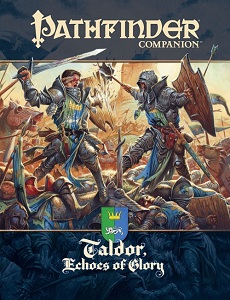
 Wormys Welten