Neues Jahr, neues Glück

MusingsEin neues Jahr beginnt, und wiewohl ich nicht viel von guten Vorsätzen zum Jahreswechsel halte, brauche ich dennoch mal wieder eine kleine Erinnerung an mich selbst, dass ich hier wieder dringend aktiver werden sollte. Und immerhin habe ich meine letztjährige Goodreads Reading Challenge geschafft, vielleicht klappts also auch mit dem Blog. Zeit für eine kleine Bestandsaufnahme.
1. Eigentlich wollte ich im Dezember Kurzreviews der musikalischen Werke veröffentlichen, die mich durchs Jahr 2019 begleitet haben, was in meiner Top 10 (oder 20) 2019 enden sollte. Da ich noch nicht damit angefangen habe und das neue Jahr noch jung ist, passt das auch noch in den Januar. Außerdem geht die musikalische Reise 2020 weiter, und ich bin jetzt schon auf meine Entdeckungen gespannt.

2. Wenn ich schon (siehe oben) wieder vermehrt Bücher lese, kann ich auch die natürlich kurz besprechen. Zumal ich einiges an Nachholbedarf und in den letzten Jahren fast alles an neuem Stoff verpasst habe.

3. Die letzten paar Posts drehten sich vor allem ums Thema Comics, und auch wenn ich nichts weiter veröffentlicht habe, habe ich doch weiter gelesen. Ich suche da aber noch nach einem vernünftigen Format, denn selbst so kurze Reviews wie meine letzte verschlingen eigentlich zuviel Zeit, um alles auf diese Weise zu kommentieren und ich will ja auch keinen Comicblog aus Wormys Welten werden lassen.

4. Computerspiele lass ich mal offen, vielleicht lass ich sie einfach weg, so viel spiele ich aktuell eh nicht. Bei Filmen und TV-Serien ist es andersrum, das nimmt momentan so viel Zeit ein, dass ich da eher selten noch drüber schreiben möchte.

5. Es gibt ein paar Blogs, die ich auf der Suche nach Anregungen fürs eigene Spiel genauer durchforsten (soll heissen: der Reihe nach komplett durchlesen :D) will. Da meine Lieblingsblogs diejenigen sind, die mich zum Denken anregen, wird da hoffentlich so mancher Blogpost dabei abfallen.

6. Außerdem gibt es ja noch die verschiedenen Karnevale und andere Blogaktionen. Auch da möchte ich aktiver werden, und eigentlich zu jedem Thema dieses Jahres im Rahmen der Karnevale wenigstens einen Post verfassen.

7. Die Arbeiten an meiner geplanten Vergessenen Reiche-Kampagne(n), aber auch an meiner bereits erwähnten eigenen Welt sollten ebenfalls wieder Fahrt aufnehmen. Da trödel ich schon viel zu lange rum, und egal ob daraus was wird, muss ich das Zeug endlich irgendwie verarbeiten, sonst komm ich ja nie zu was neuem. Und da ich mich zunehmend auf PF 2 als mein künftiges System der Wahl festlege, werde ich da wohl einiges konvertieren müssen, was wiederum hier im Blog erscheinen kann.

8. Und war da nicht noch was mit den alten Dragon und Dungeon Magazines. Jep auch da will ich weiterlesen und kommentieren, immerhin hat damit alles einmal angefangen.

Fazit: Stoff ist also genug vorhanden, ich muss nur schreiben. Letzten Endes wäre ich wahrscheinlich schon froh, 2 Posts pro Woche zu veröffentlichen, aber selbst das wäre ja ein gewaltiger Fortschritt zu meinem Postverhalten im Jahr 2019.

In diesem Sinne wünsche ich der gesamten Welt ein frohes neues Jahr.

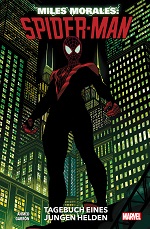
[WWoC]Miles Morales: Spider-Man 1 – Tagebuch eines jungen Helden

[Da ich die Romane über Marvel Unlimited gelesen habe, kann ich hier keine Aussage über die Übersetzungsqualität plus etwaige Extras der deutschen Ausgabe machen, sondern beschäftige mich nur mit dem Inhalt; dies gesagt sind meine jüngeren Erfahrungen mit den deutschen Ausgaben von Panini eher positiv]

DSMMMN001_minMiles Morales ist wohl der inzwischen bekannteste der neuen Garde junger Superhelden, die Marvel unter anderem auch deswegen entwickelte, um für mehr Diversität in ihrem Superheldenroster zu sorgen. Ursprünglich der Nachfolger des im Ultimate-Universum verstorbenen Peter Parker, erfreute sich der junge Afro-Latino sehr schnell großer Beliebtheit und wurde folgerichtig im Zuge der Universenvereinigenden Secret Wars Storyline ins neue Hauptuniversum gerettet. Ich kenne ihn persönlich nur aus seinen Anfängen und später Teilen der Champions-Reihe, bin also nicht über seine jüngere Entwicklung auf dem Laufenden. Der Neustart der Serie, deren erste 6 Romane seit Anfang Dezember im Sammelband „Miles Morales: Spider-Man 1 – Tagebuch eines jungen Helden“ in deutscher Übersetzung vorliegen ist daher Anlass genug, mal wieder in Brooklyn vorbeizuschauen.
Der Begriff Tagebuch ist dabei übrigens wörtlich zu nehmen, denn tatsächlich erleben wir die Abenteuer des jungen Webslingers über die Tagebucheinträge, die er als Hausaufgabe für seinen Schulkurs in Kreativem Schreiben verfasst. Womit gleich klar ist, dass Miles Privatleben in den Romanen ähnlich viel Aufmerksamkeit erhält wie sein Leben als Superheld. Kurz zusammengefasst: Seine Eltern wissen inzwischen über seine Doppelexistenz Bescheid (und sind mächtig stolz auf ihren Jungen), sein Onkel Aaron hat sich in der Zwischenzeit von einem Kleinkriminellen zu einem ausgewachsenen Superschurken gemausert, sein Freundeskreis besteht immer noch aus Ganke und Judge (plus seiner neuen Flamme Barbara), und er kämpft immer noch damit, die richtige Balance zwischen seinen beiden Identitäten zu finden. Soweit alles harmonisch also, bis er während eines Überfalls zufällig auf Rhino stößt, der ihm während der folgenden Prügelei deutlich seine Grenzen aufzeigt. Glücklicherweise ist Alexei hier aber gar nicht der Bösewicht, sondern auf der Suche nach seiner Nichte auf die Spur dieser Überfälle gelandet. Auch für Miles nimmt dieser Fall schnell eine persönliche Note an, als er herausfindet, dass auch Eduardo, der Cousin seiner Freundin, verschwunden und unfreiwillig Teil der Gangsterbande wurde. Spidey und Rhino tun sich also zusammen, um die wahren Übeltäter zur Rechenschaft zu ziehen, was ihnen schlussendlich mit tatkräftiger Unterstützung von Captain America auch gelingt. Dessen Auftreten hier sehr zufällig wirkt, aber da Miles und Steve seit der Civil War II-Storyline eine sehr spezielle Beziehung haben, nimmt man sein Auftauchen gerne hin.
Zeit für eine kleine Pause vom Superheldendasein: Miles lässt sich von Judge und Barbara dazu überreden, die Schule zu schwänzen um eine Hip Hop-Ausstellung zu besuchen. Der Zeitpunkt könnte aber nicht ungünstiger gewählt sein, da der Konrektor seiner Schule, Mr. Dutcher, eh schon davon überzeugt ist, dass Miles regelmäßig die Schule schwänzt, und sofort misstrauisch wird, als dieser sich plötzlich krank meldet. Auch der Weg zur Ausstellung zwingt Miles mehrfach, seine Kräfte einzusetzen, was speziell seine Freundin Barbara zusehends misstrauisch macht und für Konflikte in ihrer Beziehung sorgt, als sie ihn damit konfrontiert, dass er offensichtlich Geheimnisse vor ihr habe. Während dessen nimmt auch die Action wieder an Fahrt auf, da Tombstone und seine Gang offensichtlich beschlossen haben, die Macht auch in Brooklyn zu übernehmen und zu diesem Zweck einen vollausgewachsenen Gangwar anzetteln. Um das zu verhindern, tut Miles sich mit der mysteriösen Starling zusammen, die ebenfalls hinter Tombstone her ist, wenn auch aus sehr persönlichen und mordlüsternen Gründen. Ohne spoilern zu wollen, sorgt das am Ende für einen extrem coolen Showdown, bei dem Miles alles auf eine Karte setzen muss, um Starling vor sich selbst zu schützen.

Saladin Ahmed und Javier Garron ist hier ein extrem starker Neustart einer Serie gelungen. Ihnen gelingt es nahezu spielerisch, die beiden Seiten von Miles Existenz – Schüler und Superheld – auf eine Art und Weise zu verbinden, wie ältere Leser das von den frühen Peter Parker Comics her kennen. Dabei tauchen quasi alle typischen Spider-Man Trademarks auf (die Schwierigkeit der Balance von Privat- und Superheldenleben, die privaten Probleme, die sich aus der Superheldenexistenz ergeben, die quälenden Selbstzweifel, die große Verantwortlichkeit, die aus großer Macht erfolgt, aber auch die witzigen Dialoge im Kampf), die aber sehr geschickt mit dem sehr anders gestrickten Hintergrund des Hauptcharakters verbunden werden, so dass sich Miles nie wie eine reine Kopie von Peter Parker anfühlt. Damit gelingt es dem Autor, den Spider-Man-Mythos aus den Sechzigern in die Moderne zu transferieren und so eine zeitgenössische Ausgabe des Webslingers zu formen, die für jüngere Generationen wahrscheinlich viel besser als Identifikationsfigur dienen kann als die doch inzwischen sehr erwachsen gewordene Originalversion.
Auch scheuen Ahmed und Garron keineswegs davor zurück, ihren Protagonisten mehr als einmal Prügel einstecken zu lassen. Die Art und Weise, wie Miles Angriffe nahezu wirkungslos von Rhino abprallen, machen mehr als deutlich, wie sehr der junge Superheld noch am Anfang seiner Karriere steckt und wie wenig Erfahrung er noch besitzt. Auch dies ein Motiv, dass sich durch die Romane zieht. Natürlich ist Miles allen normalmenschlichen Gegnern deutlich überlegen, aber sobald der Gegner selbst über spezielle Kräfte verfügt, wird es für ihn schwierig. Aufgeben kommt allerdings auch für ihn nicht in Frage, und während er noch lernen muss, sich selbst zu vertrauen, ist seine Umwelt (zumindest teilweise) da schon deutlich weiter. Herrlich die Szene, als Cap America ihn fragt, wie es denn nun weitergehe, und sich damit fraglos seiner Autorität unterwirft, was Spidey nahezu in die Paralyse erschreckt. Was Steve wiederum dazu nutzt, Miles eine kleine Lektion im Superheldendasein zu geben.

Jedenfalls hat es der mir bis dato eher unbekannte Autor Saladin Ahmed geschafft, sich auf Anhieb weit oben in der Liste meiner Lieblingsautoren einzureihen, und ist es nach Lesen dieses Romane für mich alles andere als ein Wunder, dass er inzwischen auch als Hauptautor für die neue Ms.Marvel-Serie verantwortlich zeichnet. Dafür gibt es von mir eine dicke Leseempfehlung.

Ach ja, und Frohe Weihnachten 🙂

[Comics]Wahnvorstellungen

MusingsIch hab ja immer noch den wahnwitzigen Wunsch mich durch die komplette Comic-Historie der beiden großen Superheldenverlage (Marvel und DC) durchzulesen. Eine kurze Kalkulation hat ergeben, dass ich bei einem täglichen Lesekonsum von 15 Comics am Tag dieses Ziel sogar noch innerhalb meiner Lebenszeit, sprich in den nächsten 35 Jahren erreichen könnte (vorausgesetzt ich werde 80 Jahre alt), und da wären dann sogar schon die Ausgaben dabei, die voraussichtlich in dieser Zeit neu erscheinen werden.

Auf der Seite Marvels ist das dank meines Marvel Unlimited Abos sogar auf recht kostengünstige Weise möglich, ohne dabei meine Finanzen zu übersteigen, von daher macht es durchaus Sinn meinen Fokus auf diesen Verlag zu legen. Andererseits bin ich (abgesehen von den X-Men) eher ein Fan der Charaktere aus dem Hause DC, von daher geht es mir gegen den Strich die links liegen zu lassen. Also mal schauen.

Die andere Geschichte ist natürlich (und ich bleib jetzt mal auf der Marvel-Seite) die Frage, wo ich damit anfangen soll. Ganz am Anfang (mit Fantastic Four #1 von 1961) hätte natürlich seinen Reiz, bringt aber das Problem mit sich, dass ich dann von aktuellen Entwicklungen so gar nichts mitbekommen würde. Andererseits versteht man bei aktuellen Ausgaben oft bestimmte Details nur, wenn man die Vorgeschichte kennt, und das hat bei mir bisher noch jedes Mal dazu geführt, dass ich immer weiter in die Vergangenheit zurückgegangen bin, weil das auch bei den älteren Ausgaben der Fall ist. Damit landet man dann irgendwann im Nirgendwo und verliert den Faden, dem man initial eigentlich folgte.

Also plane ich 3-gleisig: ganz von Anfang an, parallel dazu ausgehend von der Avengers: Disassembled Storyline, die das Zeitalter der großen Crossover-Events einleitete und gleichzeitig noch mit den aktuell bei Marvel Unlimited erscheinenden Serien. Ich vermute, dass ich es wieder nicht schaffen werde, den Plan konsistent einzuhalten, aber immerhin hab ich so drei Fixpunkte, die mir im Falle des Falles bei der Reorientierung helfen sollten. Für den Blog bedeutet das (hoffentlich) einen recht steten Zufluss an comic-bezogenen Posts, wobei das eher in Form von Kurzkommentaren zu den gerade gelesenen Ausgaben erfolgen wird, bei ausgewählten neueren aber vielleicht auch in ausführlicheren Rezensionen, zumal diese ja auch in etwa mit den deutschen Neuveröffentlichungen bei Panini zusammenfallen.

Ach ja, und 15 Hefte pro Tag? Schaff ich nie im Leben, aber der Weg ist ja bekanntermaßen das Ziel.

P.S. Und natürlich hab ich schon eine Menge Comics gelesen, die rechne ich aber nicht ab, weil ich die wahrscheinlich eh nochmals lesen werde.

Was die anderen so schreiben (26.11.19)

Im Moment komm ich mit nichts aus den Pötten, aber immerhin hab ich mich die letzten beiden Tage mal wieder ein bissl verstärkt in der Blogszene umgetan, und bin dabei auf ein paar lesenswerte Beiträge gestoßen.

Über den Blog von AngryGM hab ich bereits das eine oder andere Mal gesprochen, mit den beiden letzten Beiträgen hat er mich aber mal wieder so richtig gekriegt. In Maps: What’s on your table? Und dem Nachfolgepost Appendix: Break your Mapaholism beschäftigt Angry sich mit den Vorteilen, vor allem aber auch mit den Nachteilen, den der Einsatz verschiedener Formen von Karten im Spiel mit sich bringt und plädiert dabei für einen eher vorsichtigen Einsatz von Karten zugunsten des Theater of Mind. Und viele seiner Beobachtungen kann ich nur zu gut nachvollziehen bzw. Habe sie an mir selbst wahrgenommen.

Mike Shea hat auf Slyflorish.com einen ganz interessanten Beitrag zum Thema Fallen in D&D gepostet. Genauer gesagt geht es dabei um Möglichkeiten, Fallen geschickt so einzusetzen, dass sie nicht den Gameflow und damit das Narrativ negativ beeinflussen The Flow of trap detection mag Spielern, die es gerne herausforderungsorientiert mögen, ein paar Schritte zu weit gehen, aber als jemand, dessen Spieler kein allzugroßes Interesse an diesem Aspekt des Spiels zeigen, hat mir der Beitrag ein paar Denkanstöße gegeben, wie ich in Zukunft mit dem Thema Fallen besser umgehen könnte.

DM Davidbeschäftigt sich in Turning Character Deaths in D&D into deals that benefit Game and Story mit der Frage, wie man den Tod in D&D als echte Möglichkeit behalten kann, ohne damit den Spielern den Spielspass zu verderben. Ich bin nicht in allem seiner Meinung, vielleicht, weil ich im Gegensatz zu David kein Old-School Gamer bin und erst auf D&D gestoßen bin, als ein deutlich erzähllastigerer Ansatz Verbreitung gefunden hatte. Ich teile insbesondere die Meinung nicht, dass D&D ohne echtes Todesrisiko langweilig wäre, nur begrenzt, da das Spielziel zumindest in meinen Runden noch nie „Überleben“ gelautet hat. Charaktertod ist daher ein oft eher disruptives Element für das Spiel, weil er es dem Charakter verwehrt, die eigentliche Challenge des Spiels zu bestreiten.

Davon unabhängig sind DM Davids Ideen, wie man den Tod aus- bzw. durch andere Konsequenzen ersetzen kann durchaus bedenkenswert.

Zu guter Letzt sei noch Tomas Gimenez Riojas schöner Artikel über Game Prep Improvisational Tips auf tribality.com genannt; diese beinhalten Tips für den schnellen Namensverleih an eigentlich unbenamte NSCs, wie man diesen schnell ein wenig Charakter einhauchen kann und wie man schnell zu Gesprächsthemen für Unterhaltungen kommt, die im Spiel von den SC belauscht bzw. überhört werden können. Ist nicht alles ganz neu, aber für beginnende Spielleiter sehr nützlich (und als Erinnerung für alte Säcke wie mich auch ganz gut zu gebrauchen).


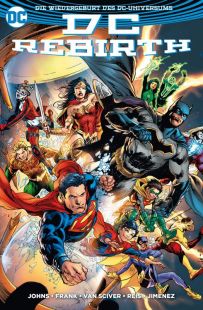
[WWoC]DC Rebirth: Die Wiedergeburt des DC Universums

dcrebirthpaperbacksoftcover_softcover_351Nachdem sich DC mit ihrer Neuinterpretation des DC Universums im Rahmen ihrer „The new 52“-Initiative (auf Deutsch einfach: Das neue DC Universum) doch sehr starker Kritik ausgesetzt war (wie üblich bei Kontinuitätsbrüchen), besann man sich schnell eines Besseren und startete mit „Rebirth“ im Mai 2016 einfach nochmal von Neuem, diesmal mit dem Ziel, an den Status Quo vor dem Flashpoint-Event anzuknüpfen, der die Neue 52 seinerzeits eingeleitet hatte. Das ist jetzt auch schon wieder 3 Jahre her (bzw. 2 Jahre für die Leser der deutschen Ausgaben) aber dennoch ein guter Zeitpunkt, um wieder in die Serien einzusteigen, ohne allzuviel Vorwissen zu benötigen.

Das gilt allerdings nur eingeschränkt für den Startpunkt der Rebirth-Ära, der mit einer Spezialausgabe gesetzt wurde, die quasi direkt an die Ereignisse von Justice League #50 und Superman 52 anschliesst, den jeweils letzten Ausgaben der New 52-Heftreihen . Hauptprotagonist des DC Universe Rebirth Specials ist Wally West, ehemaliger Kid Flash und späterer Flash, der zu Beginn der Neuen 52 spurlos aus der Kontinuität verschwunden war. Hier wird, wenn auch in sehr kryptischer Form, dieses Verschwinden im Ansatz erklärt und damit der Nährboden für die folgenden Storylines gelegt. Zu Beginn stellt sich nämlich heraus, dass Wally in der Speed Force aufgegangen ist und nun verzweifelt versucht, in die Realität zurückzukehren, um die verbliebenen Welt vor einer geheimnisvollen Kraft zu wahren, die die Geschichte des DC Universums entscheidend manipuliert hat. Über das Heft verteilt finden sich mehrfach Hinweise auf die Watchmen, über die Zusammenhänge mit dem Manipulator der Ereignisse kann ich aber nicht mal spekulieren (ich muss an der Stelle zugeben, dass ich von denen zwar die Namen, aber sonst rein überhaupt nichts kenne, weil ich Alan Moore bis dato kaum gelesen habe).

Über die Kapitel des Heftes hinweg besucht Wally verschiedene Figuren des DC Universums, immer in der Hoffnung, von ihnen wiedererkannt und damit in die echte Welt zurückgezogen zu werden. Den Anfang macht er mit Bruce Wayne, dem Detektiv, der „jedes Rätsel dieses Universums, ob nun in den Straßen von Gotham oder in den Feuergruben von Apokolips“ lösen kann. Im Augenblick von Wallys Erscheinen ist die Fledermaus allerdings mit einem noch nicht gelösten Rätsel beschäftigt, nämlich mit dem um die 3 Joker, die es plötzlich zu geben scheint. Batman kann sich allerdings nicht an Wally erinnern, und so wird dieser wieder in die Speed Force zurückgezogen, nicht ohne Bats aber auf den Brief hinzuweisen, den dieser von seinem Vater Thomas Wayne (wenn ich recht erinnere, war das aber der Vater aus der alternativen Realität während des Flashpoint-Events) erhalten hat, und mit dem angeblich alles angefangen habe.

Wallys zweiter Besuch gilt Johnny Thunder, der verzweifelt auf der Suche nach der originalen Justice Society ist, die er anscheinend mit seiner Macht verschwinden hat lassen und in der Zwischenzeit in einer Psychiatrie gelandet ist. Der dritte Versuch gilt seiner Frau Linda, die ihn aber ebenfalls nicht erkennt. Erst als alles schon verloren scheint, und Wallys Verbindung zur Erde fast erloschen ist, wird er von Barry Allen wiedererkannt und in die Realität zurückgebracht (was übrigens der einzige kleine Kopfschüttler dieser Ausgabe ist, denn logisch wäre es eigentlich gewesen, Barry ganz am Anfang aufzusuchen. Wie dem auch sei, Wally is back und beschließt, als nächstes seine alten Teen Titans-Freunde aufzusuchen. Und so schließt der Comic mit einer weiteren Umblende zu Bruce Waynes Bathöhle, der an der Stelle, an der währen Wallys erstmaligen Auftauchen der Blitz einschlug, einen geheimnisvollen Smiley-Button findet (wie gesagt, sagte mir das erstmal nichts, hat aber offenbar etwas mit den Watchmen zu tun (vielleicht sollte ich mir die also doch mal reinziehen).

Natürlich ist das nicht alles, was in der ersten Rebirth-Ausgabe angesprochen wird, Wir sehen Hinweise auf die verschiedensten Helden des DC-Universums, angefangen mit dem Original-Superman, der (während Convergence) auf einer Parallelerde gelandet ist, und mit den anderen Helden gerade den Tod des Supermans dieser Welt miterlebt hat, über Aquaman, den Blue Beetle bis hin zu Saturn Girl. Wie gesagt sind die meisten dieser Panels sehr kryptisch gehalten und dienen natürlich dazu, den Leser neugierig auf die entsprechenden Handlungen zu machen. Was Autor Geoff Johns, zumindest was mich angeht, auch in überzeugender Weise gelingt.

Wie zu Beginn erwähnt, kann dieser Roman aber nicht ganz ohne Vorwissen gelesen bzw. verstanden werden, was daran liegt, Dass Rebirth keinen kompletter Reboot des DC Universums darstellt, sondern dass hier versucht wird, die Prä- und Post-Flashpoint-Universen sinnhaft zusammenzubringen und außerdem mit den Watchmen ein bis dato außerhalb der DC-Kontinuität liegendes Universum einzubinden. Wie gut das insgesamt gelingt, kann erst die Zeit erweisen, DC Rebirth #1 (so auch der Titel der auf deutsch im Februar 2017 erschienenen Spezialausgabe) macht aber einen sehr ansprechenden Beginn. Sehr lesenswert (5/5 Sterne).

Kleiner Nachtrag noch: Der Post hier markiert den Startpunkt eines mal wieder unrealistischen Plans, mich durch das komplette Rebirth-Universum hindurchzulesen bzw. diese dann auch zu besprechen . Ich benutze dabei vor allem die englischen Originalausgaben, versuche mich aber, bei meinen Postings an der Timeline zu orientieren, wie sie auf verschiedenen amerikanischen Reading Order-Seiten aufgestellt wurde. Außerdem orientiere ich mich so gut wie möglich am Erscheinungsformat der deutschen Panini-Ausgaben. Im Idealfall schaffe ich es, auf den aktuellen Stand zu kommen und ab da meine Besprechungen mit dem Erscheinen der jeweiligen deutschen Ausgaben zusammenfallen zu lassen.

[WRPG]Thoughts on Exploration

Say about the AngryGM what you will, but everytime he puts out a new article, I find something to think about. Not necessarily what he is actually writing about in a given blog entry, but even if it’s only something presented as an afterthought or a tangent, it keeps my mind going and that is why in my opinion, Angry’s Blog is one of the most interesting blogs in the RPG community as of today.

This time, it is about exploration, especially about exploration from the player’s perspective and that is an important difference to make, because you can easily become confused by Angry calling all kinds of thing NOT-exploration, when these activities are defined as exploration by basically everyone else. I really recommend everyone to read the original post but I’ll try to summarize things quickly because that’s not even what I want to talk about.

So here’s how Angry defines exploration in 2 steps (and I quote):

1. The first thing that makes exploration exploration is that I – the player – have decided to satisfy my curiosity.
2. The second thing that makes exploration exploration is that exploration is, by its nature, a distraction from the current goal.

And here’s how Pathfinder 2nd edition defines exploration in the introductory chapter:

Most of the time, your character will explore the world, interact with characters, travel from place to place, and overcome challenges. This is called exploration.

Now I don’t want to discuss the fact that the Pathfinder definition isn’t actually a valid or helpful one (though it’s clear what they mean when you put it into the context of their three modes of gameplay model), but I want to focus on that Angry is defining the term from the player perspective, while Pathfinder is doing it from the perspective of the character. And that’s an important distinction even when I would argue that Angry isn’t completely clear on that point himself in his article all the time.

Because let’s face it, when you’re playing roleplaying games, your character is only the means with which you do it, and while PCs doing exploration can be fun at times, it isn’t the real reason you do it. If you look at the dungeon example Angry is describing in his blog post, it isn’t about the PCs deciding to stray from the road just to satisfy their curiosity (they would probably rather hurry to end the threat and maybe do some exploration after that), it is about the players wanting to know what’s behind that other corner. Same with computer games. The character from any of the Elder Scrolls games would probably follow the main story route, because that’s what set him going in the first place. It’s the players getting distracted by all the world stuff Bethesda is so great about putting in their games (in my case, in every of the TES games I got lost so much by all those distractions that in the end, I didn’t even remember what the main story was. Didn’t matter though because exploring those huge worlds was so much fun.

And here we come to the point that actually got me interested (and thinking): Angry rightfully states that every player gets curious for different reasons, so to make them want to explore, you have to know your players (difficult) and then you have to present them with all kind of things that might get them curious enough to want to explore. And that means that you have a lot of stuff to include into your preparation that might never see the light of the day in your game.

And this is kinda the first time I hear someone saying that more can actually be more instead of the usual advice to avoid overpreparing because “you don’t need this stuff anyways”. I’m also pretty sure that’s not exactly what Angry meant because he’s usually the one to tell you that you should cut any “unnecessary crap”, probably calling overpreparing Gms some not-so-nice names, as he does it. Still, if I think about it, that’s the essence of why I prepare so much stuff, why I’m so obsessed with details even when most of it will never get used in actual gameplay. Because in the end, it’s about giving the players choice, and with choice, I mean “meaningful” choice. And building a rich, vibrant setting is part of that. And building intricate, multidimensional plots is also part of that. And giving the players tons of hooks to follow is also part of that.

In the end, that’s why I love the Realms (or Aventuria, the world of the Dark Eye RPG) so much. Those settings are insanely detailed, and still there’s room to put your own things into them. I love world-building but it would take me years to have that degree of detail for my own world or even for that little part of the setting where actual gameplay happens. So using those settings and adding my own touches here and there, for me, is having my cake and eat it too.

It’s also why I like to work with published adventures, especially of the sort that Paizo produces. Because those modules come with a lot of background information to help you decide what to do when the players stray from the suggested course of things.

But it’s also why I love when my players come up with a bit of a background for their characters. Because that background can tell you a lot about what players expect from the game and if you combine this information with an adventure’s plot, the result will be an experience you could only have with that group of people you’re playing with, but it’s also something the player will be invested in. They’ll want to explore, not because you tell ‘em that that’s what the game is about, but because they are genuinely curious about how that game plays out.

I’m not built for pure chaos

wormyI obviously can‘t do without any structure, so while pondering what to write about, I immediately thought about how to set the different topics apart from eachother. So I introduce a system of abbreviations to put in the title of a given blog entry, making search easier and simultaneously giving an early hint at the topic in question. Those abbreviations are:

[WRPG] for roleplaying-related topics

[WWoM] for music (Wormy‘s World of music)

[WWoG] for computer games

[WWoC] for comics

[WwoB] for books

[WWTV] movies and tv series

[RW] everything that belongs to the real world

I hope that I can get a bit more creative with roleplaying stuff, working at some conversions of Forgotten Realms material to Pathfinder 2nd, and also working at my planned campaign and my own homebrew. Music will mostly mean reviews of new metal and rock releases and the occasional concert report, but as I‘m also discovering a lot of older stuff, I won‘t rule out taking you an a trip down Nostalgia Lane. Same with books and TV series, while I‘m still figuring out if, how and what to talk about computer games.

Comics will probably take quite some space, as I try my best to read as many Marvel and DC comics as possible. Thanks to Marvel unlimited, I even plan to go back to the beginning (which I define as Fantastic Four #1, as I‘m not that interested in golden age stuff; I‘ll probably make some exception for DC, but that stays to be seen). I‘ll also try and come to a point where the comics I talk about are those soon to be released in the german version by Panini.

Oh, and just saying: It‘s sooooo awesome finally to be able to relive the original World of Warcraft experience, it‘s finally challenging again.

Rethinking my Blog/Ein neuer Ansatz

wormyOK, this is just a short announcement about me changing my plans regarding this blog. So far, most of my entries have been focused on the roleplaying part of my life, but for quite some time, that part has had to make room for other hobbies, that I also spend lots of time with. And as the numerous failed attempts to revive the blog with a reliable posting frequency show, I‘m obviously unable to focus on writing about roleplaying when in fact, I‘m doing other things half of the time.

On the other hand, I‘ve hinted several times that I want to include those other hobbies in my writings, but never did anything with it. Which led me to the conclusion that I need another approach. So in the future, I‘m not doing this as a roleplaying blog with occasional posts about other topics, but as a (multimedia) blog where I write about what I‘m actually doing at the given time, a diary of the things I do in my free time. Still fits the blog‘s title, because in my head, Wormy‘s Worlds included those other things from the very start, so I need to change nothing on that front. What I hope it will do for me is help me to write blog entries on a more regular basis. I‘ll also have to rethink my policy regarding the use of language, because part of what I write about will probably be more useful to a german-speaking audience; on the other hand, no one reads my blog anyways, so I can do whatever I want to, so we‘ll see how this develops.

This is just a short list of things I want to write about in the future:

1. Still roleplaying

2. music (I hear a lot of music, especially from the Metal genre, so why not write about that?)

3. computer games (takes a backseat at the moment, but I used to be an avid player, so I don‘t want to rule that out)

4. comics ( especially DC and Marvel comics)

5. books ( I started to read a lot lately, so talking about those books I read should be fun)

6. movies and TV (series)

7. real world topics (I‘m a bit hesitant to open that box of Pandora, but on the other hand, it‘s the world I actually live in, so why not?)

Not sure if I‘ll try and structure this (into something like Movie Monday, RPG thursday etc.), because I‘m not doing everything all of the timefor obvious reasons, so there might be times when, as an example, I‘m all about music or comics and not reading very much. So at least for the time being, it‘s probably more like writing about whatever is at the forefront of my mind at a given moment.

Das ist eine kurze Ankündigung über gewisse Änderungen miner Pläne für diesen Blog. Bisher hab ich mich hauptsächlich darauf beschränkt, über Rollenspielthemen zu schreiben. Allerdings beschäftige ich mich inzwischen nicht mehr so ausschließlich mit diesem Thema und nehmen andere Hobbys einen deutlich größeren Platz ein. Und wie meine regelmäßig fehlschlagenden Versuche, den Blog mit einer gewissen Regelmäßigkeit mit Einträgen zu versorgen, zeigen, fällt es mir offensichtlich schwer, mich auf dieses Thema zu fokussieren, wenn ich in Wirklichkeit meine Zeit mit anderen Hobbys verbringe.

Auf der anderen Seite hab ich schon mehrere Male angedeutet, diese anderen Hobbys in den Blog miteinbeziehen zu wollen, ohne das auch wirklich in die Tat umzusetzen. Was mich zum Schluss geführt hat, dass ich eine andere Herangehensweise brauche. Und daher werde ich den Blog in Zukunft nicht mehr als Rollenspielblog behandeln, der auch für andere Themen offen ist, sondern ihn statt dessen in einen Blog umfunktionieren, der die verschiedenen medialen Welten, in denen ich mich bewege, gleichberechtigt behandelt. Ich hoffe, dass mir das zu einer regelmäßigeren Schreibweise verhilft, und außerdem passt auch dieser Ansatz ganz gut zum Blogtitel Wormys Welten, da dieser sich von Anfang an auf alle Welten bezog, in denen ich mich aufhalte. Ich muss auch darüber nachdenken, welche Sprache ich in Zukunft für den Blog benutze. Ich schreibe gerne in Englisch, andererseits werden einige Bloginhalte wohl auch in Zukunft eher für das deutschsprachige Publikum interessanter bleiben (gut, eigentlich hab ich gar kein Publikum, ich kann also eh einfach machen was ich will).

In Zukunft möchte ich also über folgende Themen schreiben:

1. Rollenspiel (natürlich, immer noch)

2. Musik ( diese Welt nimmt als Metalhead einen wichtigen Raum in meinem Leben ein)

3. Computerspiele (wohl eher weniger, aber ich will es nicht ausschließen)

4. Comics (insbesondere Marvel und DC Comics)

5. Bücher (neuerdings lese ich wieder sehr viel, was einiges an Rezensionen abwerfen sollte)

6. Kino und TV (letzteres meint vor allem Serien der Streaming-Anbieter)

7. gesellschaftliche und politische Themen (warum nicht auch diese Box der Pandora öffnen, immerhin lebe ich auch in dieser echten Welt)

Ich weiß noch nicht, ob und welche Struktur das annehmen wird. Bestimmte Tage für bestimmte Themen zu reservieren, wird wohl daran scheitern, dass ich nicht immer allen Hobbys gleichzeitig nachgehe. Also werde ich zumindest vorerst einfach über die Dinge schreiben, die ich gerade im Moment tue bzw. getan habe.

Between Worlds: How to transfer campaigns to another setting (Part 2)

Ironfang Invasion in the Realms: setting stuff do deal with

GamalonAs alluded to in my lost blog post, I want to run an Ironfang Invasion game in the Realms and I want to make sure that it fits as seamlessly as possible in the Realms Canon already existing. Realms Canon, as I define it, means the setting status as of 1372DR, the year of the 3E Forgotten Realms Campaign setting. That means that this book is what everybody playing in my game can take for granted, while every bit of lore that came before it might be changed so that it better fits my vision of the Realms (though those changes might be pretty minor, because I love most of the stuff written for the Realms during the AD&D era). It also means that the official history of the Realms after that date didn‘t happen yet and probably never will. In fact, my campaign will start a little bit sooner, at the end of 1370 DR, for reasons I‘ll explain a little bit later.

I decided to run the AP in the Great Dale, a region in the Unapproachable East, that is only sparsely populated and also has the advantage not to have been detailed too much by official designers, which makes the adaptation a lot easier. Still, there are some thing I have to consider when I want to put Ironfang Invasion in this region.

First of all, we know that there are two power factions in the Dale, namely the Talontar Blightlords under leadership of the Rotting Man and the Circle of Leth, an organization of druids and rangers led by the Nentyarch. Those factions are deadly enemies and we know from the Unapproachable East sourcebook that the blightlords drive the druids out of the Rawlinswood in Midwinter 1371 DR. That’s the main reason why I let the AP start a bit sooner. First of all, I don’t want the Circle of Leth being reestablished in the Forest of Lethyr, because that’s where the game will play out for quite some time and that could potentially mess a lot with the AP’s plot. More importantly, second, this gives me a very good reason for the fact that the Circle of Lethe doesn’t immediately deal with the hobgoblin invasion (they are preparing for the inevitable clash with the Blightlords and get caught off-guard by the new development), but it also can let me use the developments to come to add to the AP’s plot. Because in “Prisoners of the Blight”, the fifth adventure of the AP, the PCs will have to invade the Rawlinswood (Fangwood in the AP) and deal with the Rotting Man (Arlantia, might also make her into a powerful ally of Talona’s Chosen) in order to free the Nentyarch (the fey queen Gendowyn) and help him escape to the Forest of Lethyr.

To be honest, I’m not quite sure yet if I’ll use the Nentyarch and the Rotting Man in those roles, because those are two pretty powerful bastards (lvl 28 and 22 respectively) but I would love too, because to free the Nentyarch from a dire fate would really put the PCs in his favor. Also if they really succeeded to kill the Rotting Man, that wouldn’t change official lore very much, as according to the 4e Campaign setting, he was killed in 1373 DR anyways. Maybe I’ll blow the AP up a bit so that the PCs are a bit more powerful, or I’ll downlevel those two guys to better fit the level range the PCs are at that time we’ll see.

There’s a third power to consider in this conflict, and that is the neighboring kingdom of Impiltur. Impiltur is generally known to let their neighbors fight their own wars, but this is a bit different, as Impiltur has been fighting time and time again against invading hobgoblin armiss during history, so I can’t imagine they would look too friendly to a new hobgoblin empire in their direct vicinity. So I need something to distract Impiltur from interfering with the AP’s plot, and I actually have two ideas for that. The first would be to put Kraggodan, the AP’s dwarven city in the Earthfast mountains. We know from “Trail of the Hunted”, the first AP adventure, that the theft of an important artifact led Kraggodan to change blows with Molthune, and I guess I could do the same with the Realms’ Earthfast and Impiltur. An even more ambitious idea involves using the events of Paizo’s Curse of the Crimson Throne AP to instigate a civil war in Impiltur at the same time the hobgoblins invade the Great Dale. The really cool thing about this is that I simply could use the same mastermind for both of those events, Soneillon, the Queen of Whispers, who has manipulated events in that region for quite some centuries. Also, it would finally allow me to run this AP which is still my most favorite AP of the Pathfinder era.

And while we’re at ambitious ideas, wouldn’t it be a great thing if all those demoncysts in the region start exploding, letting an army of demons lose; I guess we would need pretty mythic heroes to let them feel the Wrath of the Righteous (yet another Paizo-AP, which would fit that topic pretty well), especially as it is known that this is kinda what happens when the Spellplague hits the region anyways in 1385 DR.

But that goes way beyond the scope of this article. Would be fun though to insert a bit of foreshadowing to that to make my players feel like they play in a living, breathing world where ther actions have actual consequences.

Between Worlds: How to transfer campaigns to another setting (Part 1)

rpgblogcarnivallogosmallThis article is part of this month’s RPG Carnival as presented by Codex Anathema. It’s also part of what I hope will be a little series of blog posts dealing with different aspects of this month’s topic, “Locations, Locations, Locations”.

Meshing an adventure or a campaign with a setting it hasn’t originally been written for can be as easy or as complex as you’d like it to be. Homebrew or published adventure, generic or written with a specific campaign world in mind, in the end, it is your game, and you decide how much work you want to do to run it in the setting of your choice (and again, homebrew or published, it is your world, so it is your decision if you want to stay true to the setting’s lore or if you feel free to change all of it). This article will focus on the geographical part of that activity,because that’s what the RPG carnival is about, but of course, there’s also plot, time and other questions to consider, that I might deal with in another article.

Before we go into the different possibilities how to geographically mesh a campaign with a setting, I’d like to introduce my own motivation to do such a thing. First, I’ve been a big fan of the adventures published by Paizo since the time they used to publish good old Dungeon Magazine. I love the AP format, I love the stories they tell with their APs and with few exceptions, I consider their adventures better than most adventures published by other design companies. Second, I’m very much a Forgotten Realms guy, and while I do love Golarion (or the Age of Lost Omens setting, as it is called now), I find myself returning to my old love time and time again. The same goes, to a slightly lesser extent, for Eberron. So with my limited time, I had to decide for a single setting to run games in, and as long as my homebrew isn’t ready (which will probably be never), I decided to return to the Realms.

The easiest way to integrate an adventure into a setting, of course, is to just plug and play it into the campaign world. Even a setting like the Forgotten Realms with its extensive lore that has built over four decades and more still has blank areas to fill, so as long as the party doesn’t move out of that area, no one will see any inconsistencies with the setting’s original lore. That works especially good with players that have no knowledge about the setting in question. For example, if you want to run Paizo’s Ironfang Invasion AP in the Forgotten Realms (I chose that example because that’s what I’m actually doing right now), just put it in an undeveloped region in any of the frontier regions and be done with it. The AP is mostly self-contained, so it also won’t change much in the Realms if you don’t want to and even when the players decide to visit one of the nearby locations of the original setting, it won’t influence the plot of that AP too much.

Now this approach poses a simple question: if you do it this way, why even bothering with adapting the AP to another setting? Wouldn’t it be easier to just run the campaign in the setting it is originally written for? And yes, of course it would, but then, if you don’t have to put in much work and prefer to run it in another campaign world, why even care about that? Maybe you and/or your players simply prefer running the Realms, but also want to run that AP, so putting those two things together is the easiest way to have your cake and eat it too. And if you aren’t bothered too much about lore consistency, there’s simply no need to put in too much work.

Of course, a slightly more advanced approach would be to replace setting locations with the locations of the AP. That works especially well when the setting locations haven’t been dealt with extensively within the existing lore, and you can just use the campaign’s lore for that location instead. It’s a bit harder when you already have detailed write-ups for a location because then you have to decide if you want to use, let’s say, an original inn as described in the setting’s location or if you would rather use Phaendar’s Taproot inn as depicted in the AP. Still, renaming things to better fit the chosen setting’s nomenclature isn’t too hard and it automatically lends your game a bit of the new setting’s individual atmosphere, which is probably part of the reason you want to use that setting instead of the original one.

For me, the real fun starts when you want to make full use of the setting of your choice, which in my case is the Forgotten Realms; I don’t want to do a simple plug and play, I want to make the gameplay into a real Realms experience using all kinds of Realmslore to add detail to the game, but also to partly replace the Golarion-specific stuff from the AP. My approach still starts with the question where to put the AP into the Realms, but the answer to that question is heavily informed by information I find within the Realms stuff. Let’s again use the example of the Ironfang Invasion AP (and be warned, what follows contains slight spoilers, so if you are a prospective player of that campaign, think twice before you read any further).

Ironfang Invasion basically is about a hobgoblin invasion into the frontier-like region of Nirmathas, with the hobgoblin army’s leader planning to erect a new empire for her own people. For plot reasons, we’re looking for a heavily forested area, we also want the starting location to lie at a river that cannot be easily crossed. Looking through the campaign outline for Ironfang Invasion, we also want to have a nearby organisation of Rangers, we need a large town in the region, a big dwarven city (that will be kind of problem, but I’ll come back to that), and we also need a forest that is cursed by a blight that the PCs will have to cope with.

As an aside, what we don’t need is, interestingly enough, a version of Molthune for our Realms’ Nirmathas, because the conflict between these two countries, that plays such a defining role within Golarion’s lore, doesn’t factor into the AP’s narrative so we can simply ignore it. Now if you want to play on that element, there’s certainly places like the Dalelands to introduce that AP and use the Zhentarim as your opponent, but that isn’t what I was interested in. I wanted to have a place that could possibly serve to establish a new hobgoblin kingdom without stepping on too many toes, a region that was only sparsely populated and had no big power laying claims on those lands. Now I was reading up on all things Impiltur at that time and so it was more by chance that I stumbled over a region that seemed to fit my preferences pretty well: the Great Dale.

The Great Dale is one of those regions that has never gotten an in-depth treatment like other regions have, which is good because it allows me to insert a lot of stuff without having to care about creating setting inconsistencies. Meaning for example that I can take locations out of the Nesmian Plains gazetteer in the first Ironfang Invasion adventure. Or from several campaign setting books released by Paizo. But more importantly, even with the few things known about the Great Dale, I can cover most of the things mentioned before. The Great Dale is, to a large extent, sparsely populated, and similar to Nirmathas, the people who live there prefer to be left alone and don’t easily accept rulership by a foreign nation (there’s kind of a rulership I’ll need to deal with, but that isn’t a question of geography). To the north, there’s the Giantspire Mountains, and there’s a lot of hobgoblin tribes already united. There’s two big forests – mostly unexplored – that I can easily use for my needs. What’s even better, one of them is ruled by the Rotting Man who’s influence is poisoning the forest, so the blight I have need for? Already there. We also have a river, the Dalestream, running through a large part of the Dale. The Nentyar Hunter is a prestige class from the 3.5 sourcebook “Unapproachable East” that I can certainly use as a replacement for the AP’s Chernasado rangers.

The one thing I’m not sure about at this point of time is the location of Kraggodan, the dwarven city. I see basically two possibilities. Unapproachable East mentions shield dwarves living in the Giantspire mountains, so I simply could put the city there. On the other hand, I could also use Earthfast, a dwarven city already established in Realmslore located in the Earthfast mountains. Both locations have their pros and cons, but as those are mostly plot related, I’ll spare that topic for a follow-up article. For now, I’m content with the knowledge that I have this location also covered.

As you can see, I’m using a top to bottom approach here. I’ve chose the location based on some of the bigger elements of the campaign and have yet to start to fill in the little details. This time, and with this AP, that might be relatively easy, because there’s a lot of white space to fill, but if I had tried to run that AP directly in Impiltur, as I originally considered to do, I would have had a lot more work to do, because that region has been given much more love especially thanks to George Krashos, who wrote that beautiful article in Dragon #364. We might come back to that region at a later point of time (because, yes, I’ve got plans^^). Next time, I’ll try to go a bit more into detail, with the focus on “Trailof the Hunted”, the first part of the Ironfang Invasion AP.